
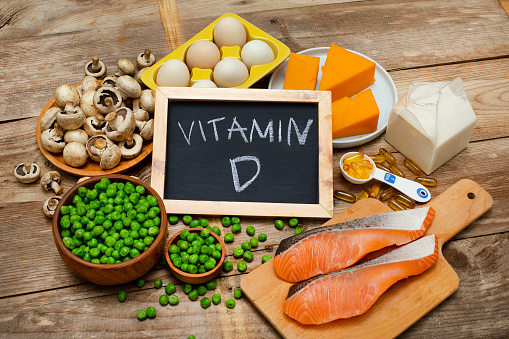
Vitamins are essential nutrients that enable our body to work properly and to stay healthy. Most vitamins are present in your food or you can procure them from vitamin supplements.
IMPORTANCE
Vitamins are vital for maintaining your health because they perform hundreds of roles. Vitamins aid your body in carrying out essential functions like:
- Support maintenance of skin, bones, and muscles
- Supporting your immune function
- Maintenance and repair of cells, tissues, and organs
Vitamins can be either fat-soluble or water-soluble.
FAT-SOLUBLE VITAMINS
These vitamins can dissolve in fat. Once within your body, they are usually stored in your liver and fatty tissues.
Vitamin A, D, E, D, and K are fat-soluble vitamins.
WATER-SOLUBLE VITAMINS
These vitamins are able to dissolve in water. Water-soluble vitamins aren’t stored in your body, meaning you need to consume them on regular basis to replenish supplies.
Vitamin B and C are water-soluble vitamins.
In this blog, I will explain about one of the most important vitamins i.e Vitamin D
The human body produces Vitamin D as a response to sun exposure. A person can also boost their vitamin D intake through certain foods or supplements.
ROLE OF VITAMIN D
Vitamin D plays a critical role in many bodily functions:
- Healthy Bones: Vitamin D promotes intestinal calcium absorption and helps maintain adequate blood levels of calcium and phosphorous, which are necessary for healthy bones.
- Immune Function: An adequate intake of vitamin D may support good immune function and reduce the risk of autoimmune disease.
SYMPTOMS OF DEFICIENCY
Vitamin D deficiency can cause some health conditions and those health conditions can lead to secondary symptoms including:
- Bone fragility
- Fatigue
- Bone pain
- Muscle weakness
- Joint stiffness
SOURCES OF VITAMIN D
People can often get the majority of their vitamin D intake from sunlight exposure. However, people at risk of developing vitamin D deficiency, and many other people, cannot solely rely on sunlight exposure for vitamin D production. During the winter months, when the sun is not as strong, everyone can benefit from vitamin D supplements.
The following foods are a source of vitamin D:
- fatty fish, such as salmon, mackerel, and tuna
- egg yolks
- cheese
- beef liver
- mushrooms
- fortified milk
- fortified cereals and juices
DOSAGE
People can measure vitamin D intake in micrograms (mcg) or international units (IU). One mcg of vitamin D is equal to 40 IU.
The recommended daily intakesTrusted Source of vitamin D are as follows:
| Demographic | Recommended daily intake |
| Infants 0-12 months | 400 IU (10 mcg) |
| Children 1-18 years | 600 IU (15 mcg) |
| Adults up to 70 years | 600 IU (15 mcg) |
| Adults over 70 years | 800 IU (20 mcg) |
| Pregnant or lactating women | 600 IU (15 mcg) |
DONE.
So, that’s all about today’s blog, see you all in the next blog. Till then, stay healthy, keep exercising and be benevolent towards others.
 Fitness Aficionado