First things first, six packs are not a reasonable parameter to measure your fitness levels. Some people never train but they do have visible 4-6 packs.
Abs are your core stabilizers. They originate along the ribcage and go all the way down to pelvis. We all constantly engage in core movements all day along. Without core muscles, our upper body would basically fall apart. Besides stability, the other primary purpose is to protect and hold your internal organs.
Everyone’s abs are shaped slightly different. Some people have uneven abs, some have wide, short, deep and some have 8 pack while others can only get to 4. This is due to genetics, so embrace what you were given and work on optimizing it. Regardless of what shape your abs are in, you can attain a well defined core with proper diet, time and hard work in gym.
In some people, abs are not visible due to the layer of fat on their belly but when you train them, they get stronger like any other muscle group. When your body percentage reduces to somewhere around 12-15%, they hands down will get visible.
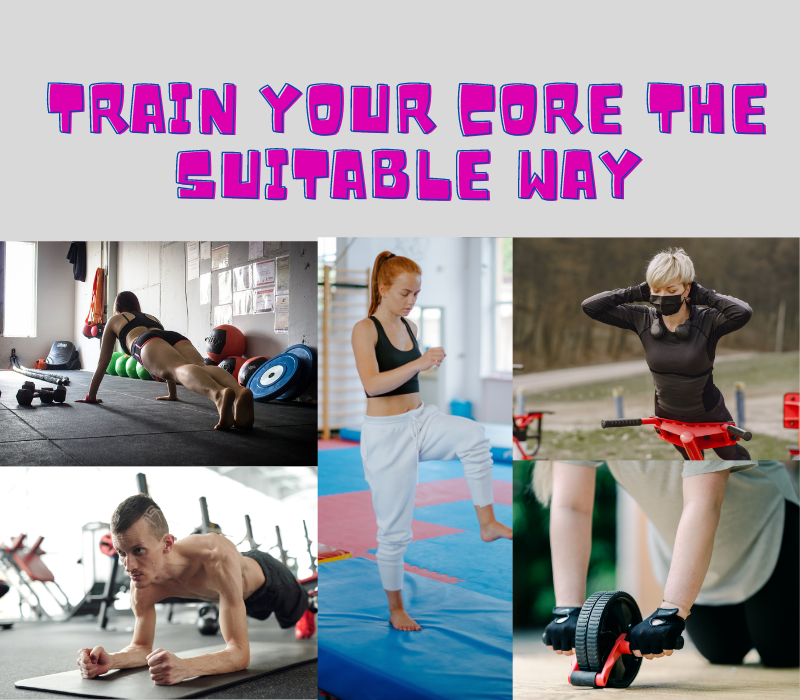
Now how to train your core? does it means that you should do infinite number of crunches everyday in gym? Well, definitely not. Here’s some insight on how to train your core properly.
The first thing to know is that the core is comprised of many more muscles than just ‘abs’. In reality, our abs aren’t even the most important of abdominal muscles. Many other movements beside sit ups and crunches need to be included in our training routine if we want a robust core.
There are 30+ different muscle groups which make up our core. Let’s not get into every small muscle, I’ll simplify it into a few main areas.
Abdominal Muscles
The abdominal muscles include the internal oblique, external oblique, transverse abdominis, and the quadratus lumborum.
The external and internal oblique muscles allow for rotation of trunk with internal oblique also provides some stabilization of abdomen. Both external and internal oblique resist the rotation of trunk when we perform something like squats or deadlift.
The transverse abdominis is our main abdominal compression muscle and it is the one you feel most while bracing your core. It also protects our spine from flexing under load.
The quadratus lumborum is a short muscle that runs from our pelvis to our rib cage. This muscle helps us performing side bending as well as extension of spine.
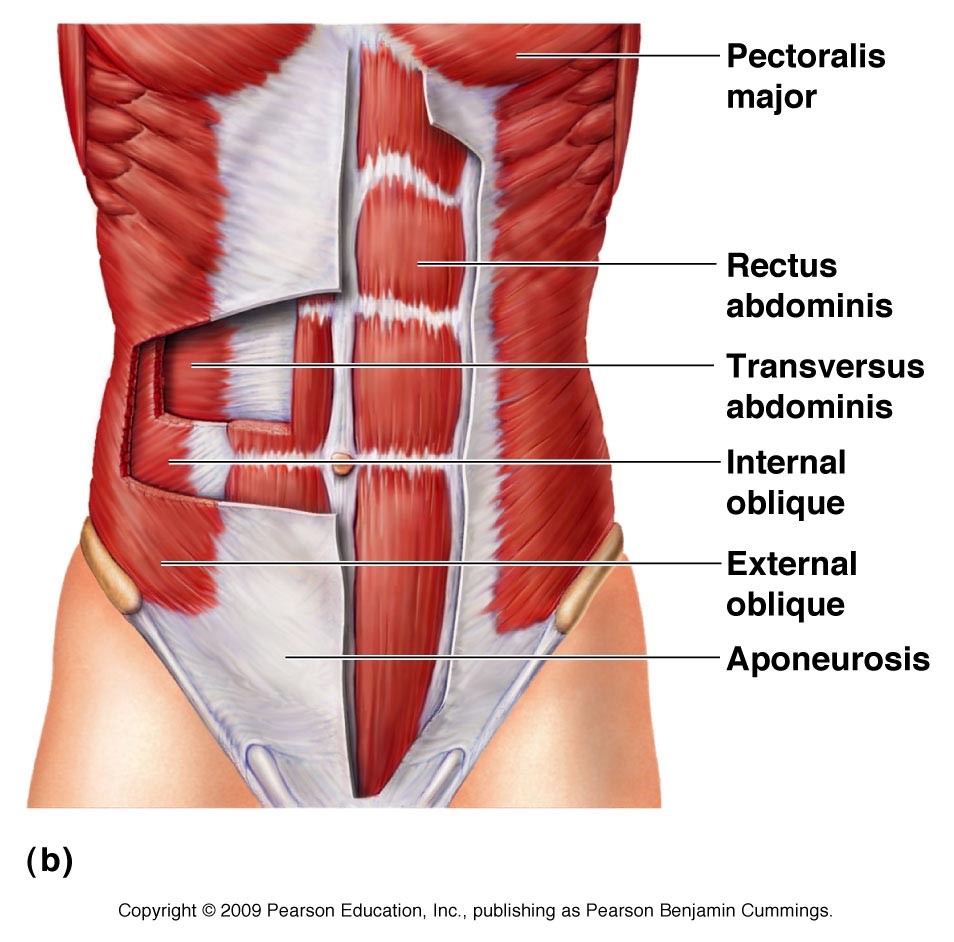
Exercises that train these muscles:
- Planks
- Side planks
- Plank rolls
- Twists
- Loaded carries
Back extensors/stabilizers
Core training has a lot to do with stabilizing the areas in and around the spine. Many of our back muscles are crucial to core stability specifically the erector spinae and lattissiums dorsi.
The erector spinae is actually a group of three muscles that run from pelvis all the way up to lower portion of our neck. It’s main function is to extend the spine and protect the undue rounding of back under load.
The lattissimus dorsi is famous for it’s role in pull ups. Indeed, it performs the act of pulling our arm down towards ribs. It also serves as a powerful trunk rotator as well. This allow us to produce force from our core when in a rotated position.

Exercises to train these muscles:
- Rows
- Pull ups
- Deadlifts
- Back extensors
- Good mornings
Hip complex
When it comes to producing force in the lower body, our hips are the powerhouse of the operation. The main hip muscles we rely on for core stability are gluteus maximus, gluteus medius, gluteus minimus and iliopsoas.
Gluteus maximus act as our main driver of power in lower body. This muscle allows us to extend hip and trunk. The gluteus medius and minimus work very closely with one another to help us spread/move the leg outward. This is particularly helpful when we want ot do deadlift properly.
The iliopsoas is a muscle that runs from front portion of our thigh bone to upper portion of pelvis and lumber spine. The main function of this muscle is to flex the hip by bringing thigh bones toward the trunk.
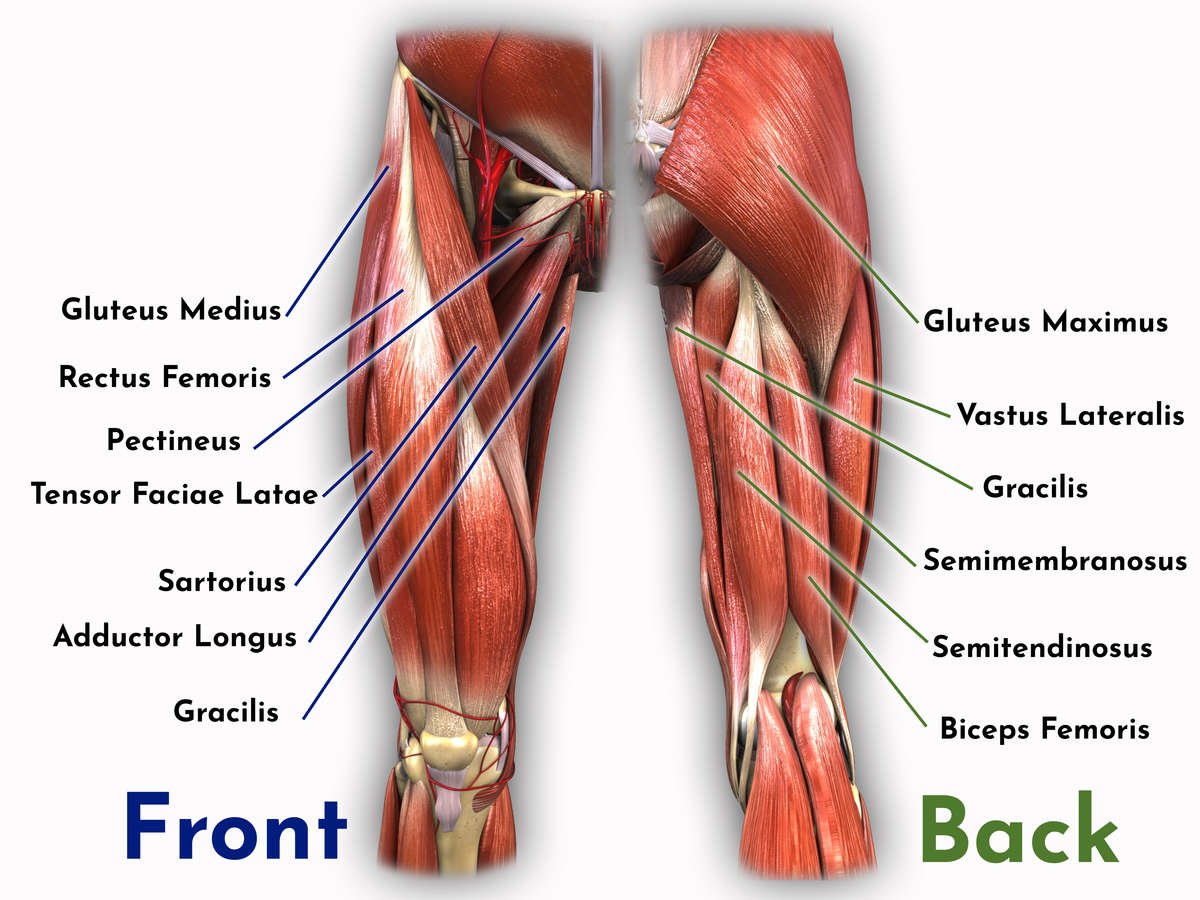
Exercises to train these muscles:
- Clamshells
- Leg raises
- Glute bridge
- Hip raises
DONE.
That’s all about today’s blog, see you all in my next blog. Till then, stay fit, keep exercising and be considerate towards others.
If you admire my content, make sure to follow my blog.
 Fitness Aficionado