
A robust sleep is of paramount importance if you desire good health. I already expatiated about sleep in one of my erstwhile blogs, i elucidated everything why sleep matters, health risks of rotten sleep, how much sleep you need? – you can check out that blog by clicking here.
In this blog, I will pontificate about some supplements that can help you in getting good sleep if you find yourself jittery and unable to sleep well.
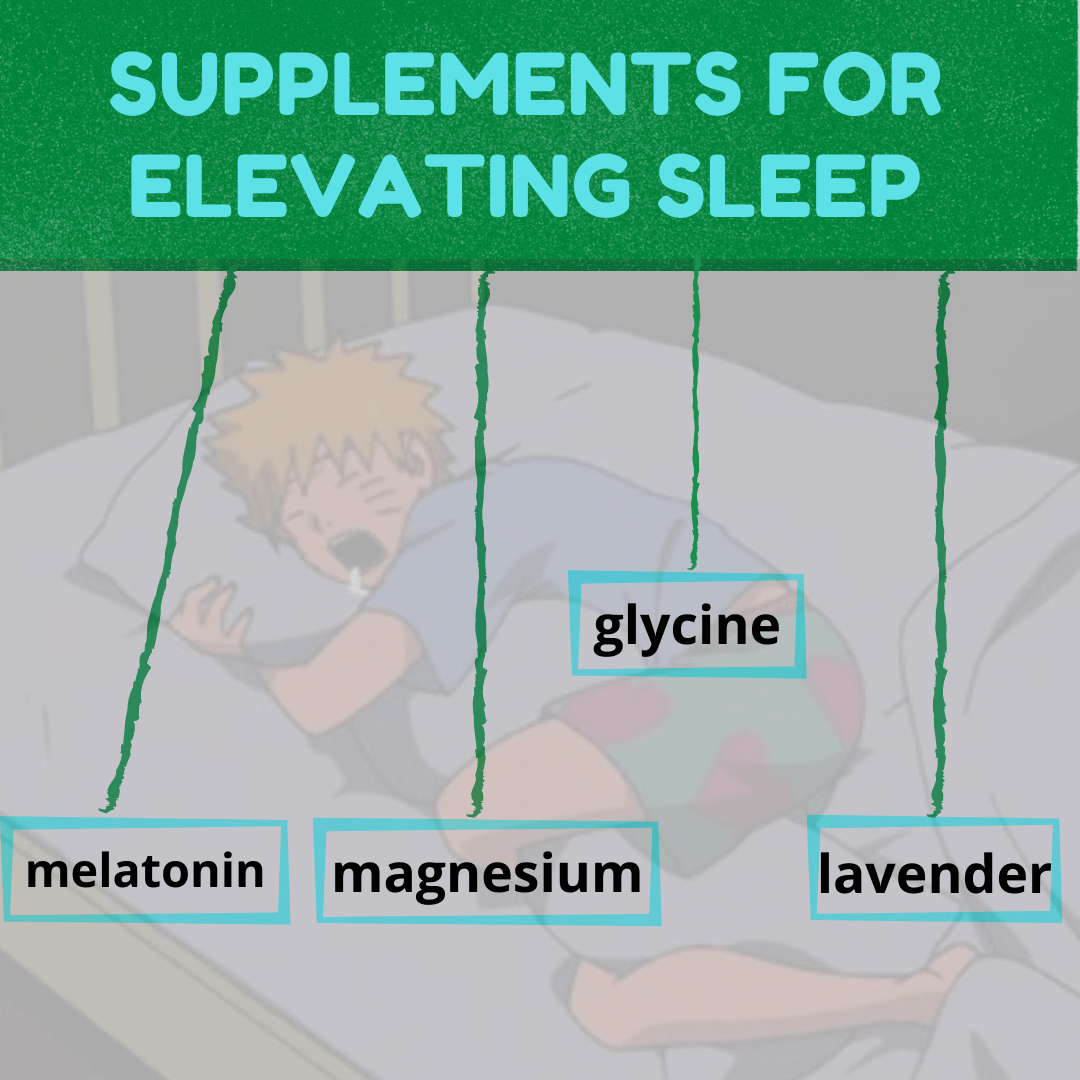
So if you want little aid in acquiring good sleep, consider these four supplements:
MELATONIN
Melatonin is a hormone which your body produces naturally, which signals your brain that it is the time to sack out.
The hormone’s cycle of production and release is influenced by the time of day – melatonin levels naturally rise in evening and fall down in morning.
Melatonin supplements have became a popular sleeping aid, particularly in instances where melatonin cycle is disrupted.
Several studies report that melatonin improves daytime sleep quality and duration. This is particularly beneficial for those whose schedule require them to sleep during daytime.
Specifically, melatonin seems to reduce the time people need to fall asleep and increases the total amount of sleep.
Studies which observed beneficial effects generally provided participants 3-10 mg of melatonin before bedtime.
MAGNESIUM
Magnesium is a mineral involved in hundreds of processes in human body and is important for brain functioning and heart health. In addition, magnesium may help quiet the mind and body, making it easier to fall asleep.
Studies shown that magnesium’s relaxing effect may be due to its ability to regulate melatonin production. Magnesium also seems to elevate the levels of gamma-amino butyric acid – a brain messenger with calming effects.
Studies have shown that insufficient levels of magnesium in your body are likely to trouble sleep.
One study gave 46 participants 500mg of magnesium or a placebo daily for 8 weeks. Those in magnesium group experienced better overall sleep quality. This group also had higher levels of melatonin and renin, two hormones that regulate sleep.
LAVENDER
Lavender is a plant that can be found on almost all continents. Lavender’s soothing fragrance is believed to enhance sleep. In fact several studies show that simply smelling lavender oil for 30 minutes before sleep maybe enough to improve the quality of sleep.
This effect appears particularly strong in those suffering from mild insomnia. Another study gave 221 patients suffering from mixed anxiety disorder 80mg of lavender oil supplement or a placebo per day.
By the end of 10-week study, both groups had experienced improvement in quality and duration of sleep. However the lavender group experienced 14-24% greater effects, without any reported side effects.
GLYCINE
Glycine is an amino acid that plays an important role in nervous system. Recent studies showed that it may also help improve sleep.
Exactly how this works is unknown, but glycine is thought to act in by lowering body temperature at bed time, signaling that it’s time for sleep.
In one study, participants suffering from poor sleep consuming 3gram of glycine or a placebo immediately before bedtime showed improved objective measures of sleep quality compared with the placebo group. Glycine supplements also helped participants fall asleep faster.
You can buy glycine in pill form or as a powder that can be diluted in water. Taking up to 0.8 grams/kg of body weight per day appears to be safe, but more studies are needed. Many sleep study participants only took 3 grams a day.
You can also increase your glycine intake by eating foods rich in the nutrient, including:
- animal products such as bone broth, meat, eggs, poultry, and fish
- beans
- spinach
- kale
- cabbage
- fruits like bananas and kiwi
DONE.
So that’s all about today’s blog, see you all in my next blog. Till then, stay fit, keep exercising and be benevolent towards others.
You can give your invaluable feedback in the contact section of menu.
If you like my content, make sure to follow my blog for knowledge bombs.
REFERENCES:
https://onlinelibrary.wiley.com/doi/full/10.1111/j.1479-8425.2007.00262.x
 Fitness Aficionado