
NOTE: This blog is for healthy individuals only having zilch health issues like type-1 and type-2 diabetes, heart diseases or other medical condition.
Carbohydrates in food are ultimately broken into glucose inside the body which then enter your blood stream.
Glycemic Index(GI) is a number from 0 to 100 assigned to a food with pure glucose arbitrarily given the value of 100, which represents how quickly the carbohydrate content of the food will be broken down into glucose.
How is GI calculated?
To calculate GI value of food x, subjects are fed a portion of the food containing 50 grams of digestible carbohydrates in fasted state. Then their blood glucose response is monitored over the next 2 hours. The blood sugar rises, reaches a peak and then comes back to the baseline forming a curve. The area under curve(AUC) for each food is then noted.
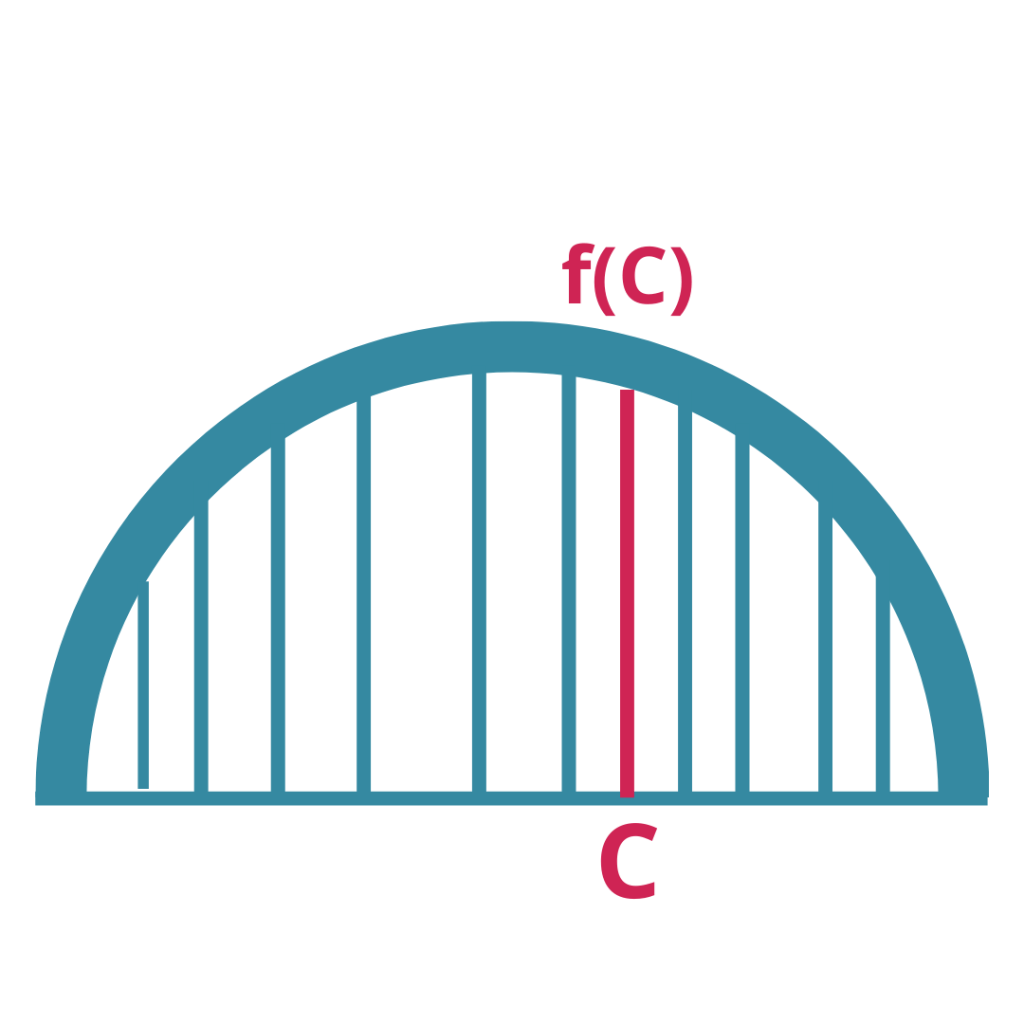
Similarly on other day, the same people consume 50 gram of pure glucose in fasted state and their 2 hours blood glucose level/response is measured again. A Glycemic Index value for test food is then calculated for each person by dividing the glucose AUC for the test food by pure glucose AUC. If the test food has AUC 60%, then GI of that food is 60.
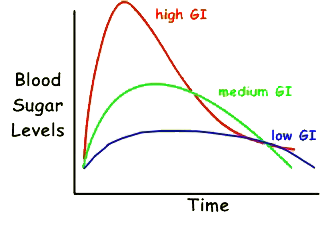
Food low on GI scale tend to release glucose slowly. Foods high on GI scale release glucose expeditiously.
Now some fitness experts blabber that “High GI foods would spike blood sugar, spike in blood sugar would lead to spike in insulin, insulin release is not good as it leads to fat storage and inhibits fat breakdown.”
This statement translates to the dietary approach that is you should completely eradicate high GI foods as it will solve all the problems.
Well that’s definitely not the case. Let’s debunk this.
Why GI is redundant?
- We eat carbs as a part of mixed meal: In real life, people eat carbs as mixed meal with fats and protein which significantly drain the overall GI of the food. Most people consume Carbs in non fasted state which alters the glycemic response as the previous meal you’ve eaten maybe is still digesting in your stomach. That’s why it doesn’t matter if you eat high GI white rice or low GI brown rice as you’re probably melding it with the pulses/curd/veggies.
- GI doesn’t account for the amount of carbs: This is the major drawback of GI as it doesn’t take into account the density of carbs. To calculate GI value of potato, researches take particular value like 60 grams of carbs from potato but in practical life, to have 60 grams of carbs from potato, you’ve to consume 400-420 gram of potato and most of the people don’t consume this humongous amount of potato in one sitting. Maybe you’re consuming only 50 gram of potato in one sitting which will completely alters the blood glucose response.
- Low GI ain’t always a good option: Foods like ice cream and pizza have low GI values (50) because of the high fat content in them but we all know that ice cream and pizza are devoid of any wholesome nutritional values and they contain just empty calories. Sure you can incorporate them in your diet if it fit’s in your calories budget but they won’t give you any health benefits at all.
- Low GI foods ain’t superior for fat loss: I blabber it in all of my nutritional blogs that calorie deficit is the cornerstone of fat loss and not the low GI foods. Doesn’t matter whether you’re consuming high GI or low GI foods, as long as your protein requirements are met and you’re in a calorie deficit, you’ll see results. Multiple studies have shown that when calories are equated, a low GI diet resulted in the same fat loss as the high GI diet.
Professor mark haub lost 27 pounds with a diet of protein shakes, donuts, Doritos chips, sugary cereals and Oreos, This bizarre experiment worked because it was based on the scientific principles of energy balance, which form the foundation of any weight loss diet. If you eat in a net calorie deficit, you will lose weight.
5. High GI isn’t always a unhealthier option: Foods like carrots, watermelon and numerous other vegetables have GI values but we all know how much nutritious these foods are. Potatoes – which are one of the most satiating foods around is also having high GI value of 72 approx.
So that’s all about today’s blog, will see you all in my next blog. Till then, stay fit, keep exercising and be benevolent towards others.
You can give your invaluable feedback in the contact section of the menu. If you’re loving my content, make sure to follow my blog to show your support.
 Fitness Aficionado